

Receding Gums on One Tooth: Causes, Treatment, and Prevention
When most people think about gum recession, they imagine a generalized condition affecting multiple teeth. However, many individuals experience receding gums on one tooth or in isolated areas. This localized gum recession can be confusing and concerning, raising questions about why it’s happening and what can be done. This article explores the unique phenomenon of gum recession on one tooth, its causes, gum recession treatment options, and preventive strategies to protect your oral health.
- What Causes Receding Gums on One Tooth?
- Understanding Localized Gum Recession
- What Is Receding Gums on One Tooth and Why Does It Happen?
- Common Causes of Gum Recession on One Tooth
- Signs and Symptoms of Receding Gums on One Tooth
- Diagnosis of Localized Gum Recession
- Treatment Options for Gum Recession on One Tooth
- The Importance of Early Intervention
- Preventing Gum Recession on Individual Teeth
- Living with Treated Gum Recession
- When to Seek Professional Help
- FAQs About Receding Gums on One Tooth
- Conclusion
What Causes Receding Gums on One Tooth?
Receding gums on one tooth are commonly caused by:
- Aggressive brushing habits
- Misaligned teeth or bite issues
- Localized gum disease
- Dental trauma or injury
- Poorly fitted crowns or fillings
- Thin gum tissue around a specific tooth
Early treatment can help prevent tooth sensitivity, root exposure, bone loss, and eventual tooth loss.
Understanding Localized Gum Recession
Gum recession occurs when the margin of gum tissue surrounding the teeth wears away or pulls back, exposing more of the tooth or its root. While generalized recession affects multiple teeth, including their tooth roots localized gum recession on one tooth presents a different diagnostic and treatment challenge.
When gum recession affects just one tooth, it often indicates a specific local factor rather than systemic issues. This targeted nature can make treatment more straightforward in some cases, especially when there is an exposed tooth root but it also requires careful investigation to identify the precise cause.
Also Read: White Lines Around Gums: Causes and Solutions

What Is Receding Gums on One Tooth and Why Does It Happen?
Unlike generalized gum recession that affects several teeth, receding gums on one tooth occurs when the gum tissue surrounding a single tooth begins to pull away from the tooth surface. This exposes more of the tooth root and can make the area sensitive to hot, cold, sweet, or acidic foods.
In many cases, localized gum recession develops because of a specific issue affecting that tooth rather than a whole-mouth condition. Excessive brushing pressure, tooth misalignment, trauma, or a localized bacterial infection can all contribute to gum loss around one tooth.
Because the problem is isolated, it is often easier to identify the underlying cause and create a targeted treatment plan. However, ignoring early symptoms may allow the recession to progress, potentially leading to root decay, increased sensitivity, bone loss, and even tooth instability.
The sooner receding gums on one tooth are diagnosed, the better the chances of preserving healthy gum tissue and avoiding more invasive dental procedures.
Common Causes of Gum Recession on One Tooth
Several factors can contribute to gum recession on a single tooth:
1. Aggressive Brushing Techniques
One of the most common causes of localized gum recession is improper brushing technique. Many people unconsciously apply too much pressure when brushing certain areas of their mouth, particularly if they’re right or left-handed. This excessive pressure can gradually wear away gum tissue around a specific tooth, highlighting the need for proper brushing techniques .
Signs that aggressive brushing might be causing your recession include:
- · Recession on prominent teeth (like canines)
- · Notching at the gum line of the affected tooth
- · Worn enamel on the same tooth
2. Misaligned Teeth or Bite Issues
When teeth are not properly aligned, certain teeth may protrude or be positioned in a way that makes them more vulnerable to recession. A single misaligned tooth often bears excessive pressure during chewing or may be more difficult to clean properly.
Common scenarios include:
- · Recession on a tooth that sits outside the normal arch
- · Gum issues on a tooth that receives more pressure when you bite
- · Recession on teeth adjacent to spaces where teeth are missing
3. Localized Gum Disease
While periodontal disease often affects multiple areas, it can sometimes begin or progress more rapidly around a single tooth. This localized gum disease may be due to factors contributing to advanced gum disease :
- · Food traps between specific teeth
- · Areas that are consistently missed during cleaning
- · Previous injury to the gum in that area
Also Read: Can Dry Mouth Cause Gum Recession: Understanding the Connection
4. Trauma or Injury
Physical trauma to a specific tooth or the surrounding gum tissue can lead to recession on one tooth. This might include:
- · Sports injuries
- · Accidental impacts
- · Aggressive dental treatments
- · Habitual picking or touching of a specific area
5. Dental Restorations or Appliances
Poorly fitted dental work, such as dental crowns, can contribute to localized gum recession:
- · Ill-fitting crowns or fillings with rough edges
- · Partial dentures with clasps that irritate gums
- · Orthodontic appliances that place pressure on specific teeth
6. Anatomical Factors
Some teeth naturally have less protective bone and gum tissue:
- Lower front teeth often have thinner bone and gum coverage
- Teeth with prominent roots may have naturally thinner gum tissue· Variations in tooth position can affect gum thickness
- Variations in tooth position can affect gum thickness
Signs and Symptoms of Receding Gums on One Tooth
Recognizing the early signs of gum recession on a single tooth allows for earlier intervention and better outcomes. Watch for signs such as bleeding gums :
- Visual Changes: The affected tooth appears longer than adjacent teeth, or you notice a notch at the gum line.
- Tooth Sensitivity: Increased sensitivity to hot, cold, or sweet foods specifically around one tooth.
- Exposed Root: The root surface, which appears more yellow or darker than the crown of the tooth, becomes visible.
- Texture Changes: You can feel a notch or depression when running your tongue over the area where the gum meets the tooth.
- Localized Inflammation: Redness, swelling, or bleeding specifically around one tooth during brushing or flossing.
Diagnosis of Localized Gum Recession
If you notice recession on one tooth, professional evaluation is essential. Your dentist will:
- Measure the Recession: Using a periodontal probe to determine the extent of gum loss.
- Assess Tooth Mobility: Checking if the affected tooth has become loose due to supporting bone loss.
- Evaluate Bite Forces: Determining if excessive pressure is being placed on the affected tooth.
- Check for Signs of Trauma: Looking for evidence of injury or habitual damage.
- Review Oral Hygiene Habits: Assessing your brushing technique and tools.
- Examine Existing Dental Work: Evaluating any restorations or appliances that might be contributing factors.
Also Read: Say Goodbye to Horizontal Lines on Teeth: Natural Solutions Revealed

Treatment Options for Gum Recession on One Tooth
The appropriate treatment for receding gums on one tooth depends on the severity of the recession and its underlying cause. Options range from conservative approaches to surgical interventions, including gum grafting surgery :
Conservative Treatments
For mild to moderate recession:
- Brushing Technique Modification: Learning proper brushing methods using a soft-bristled toothbrush or electric toothbrush with pressure sensors.
- Desensitizing Treatments: Application of desensitizing toothpaste or professional desensitizing agents to reduce discomfort from exposed roots.
- Scaling and Root Planing: Deep cleaning to remove plaque and tartar buildup that may be contributing to localized gum disease.
- Bite Adjustment: Modifying the bite to reduce excessive pressure on the affected tooth.5. Restoration Replacement: Replacing ill-fitting crowns, fillings, or other dental work that may be contributing to the recession.
Surgical Interventions
For more advanced recession or cases where the exposed root is causing significant problems:
1. Gum Grafting: The most common surgical treatment for significant recession on one tooth involves taking tissue from another part of your mouth (typically the palate) and attaching it to the area of recession. Several types of gum grafting procedures exist:
- Connective Tissue Graft: The most common approach, where tissue is taken from under a flap in the roof of your mouth.
- Free Gingival Graft: Taking tissue directly from the surface of the palate, typically used when more substantial tissue is needed.
- Pedicle Graft: Using nearby gum tissue and stretching it to cover the exposed root, possible only when sufficient tissue exists adjacent to the recession.
2. Pinhole Surgical Technique: A minimally invasive alternative to traditional gum grafting that involves making a small hole in the gum tissue and using special instruments to gently loosen and reposition the gum over the exposed root.
3. Guided Tissue Regeneration: Used when bone loss has occurred alongside gum recession, this procedure encourages the regrowth of bone and tissue.
Also Read: Navigating Blood Clot After Dental Cleaning: A Guide to Care

The Importance of Early Intervention
Addressing receding gums on one tooth early is crucial for several reasons to maintain healthy gums :
- Preventing Further Recession: Untreated gum recession typically worsens over time.
- Avoiding Tooth Loss: Advanced recession can lead to bone loss and eventually tooth mobility and loss.
- Reducing Sensitivity: Early treatment can prevent or minimize uncomfortable sensitivity.
- More Treatment Options: Less invasive treatments are possible when recession is caught early.
- Better Aesthetic Outcomes: Early intervention typically yields more natural-looking results.
Preventing Gum Recession on Individual Teeth
Preventive measures are essential for maintaining gum health and preventing recession on vulnerable teeth:
Daily Oral Hygiene Practices
- Gentle Brushing: Use a soft-bristled toothbrush and gentle circular motions rather than aggressive back-and-forth scrubbing.
- Proper Technique: Hold your brush at a 45-degree angle to the gum line and use light pressure.
- Consider Electric: Electric toothbrushes with pressure sensors can help prevent overbrushing.
- Thorough Flossing: Clean between teeth daily, being careful not to snap floss against gums.
Regular Professional Care
- Dental Check-ups: Schedule regular dental visits every six months for professional evaluation.
- Professional Cleanings: Regular dental cleanings help remove plaque and tartar buildup that can contribute to recession.
- Early Intervention: Address any signs of gum issues promptly before they progress to visible recession.
Addressing Contributing Factors
- Orthodontic Treatment: Consider orthodontic treatment for misaligned teeth that may be prone to recession.
- Night Guard: If you grind or clench your teeth, a custom night guard can distribute pressure more evenly.
- Restoration Evaluation: Have existing dental work regularly checked for proper fit and condition.
- Trauma Prevention: Wear a mouthguard during sports or activities with risk of dental injury.
Also Read: Naturally Tightening Gums Around a Loose Tooth: Effective Remedies and Techniques
Living with Treated Gum Recession
After treatment for receding gums on one tooth, ongoing care is essential, and regular visits to a dental hygienist can help :
- Maintain Gentle Oral Hygiene: Continue using appropriate brushing techniques and tools.
- Follow-up Care: Attend recommended follow-up appointments to monitor healing and results.
- Watch for Changes: Be alert for any signs of further recession or issues with the treated area.
- Address Sensitivity: Use desensitizing toothpaste if needed and avoid extremely hot or cold foods initially.
When to Seek Professional Help

Consult your dentist promptly if you notice:
- New or Worsening Recession: Any change in the appearance of your gum line.
- Increased Sensitivity: New or worsening sensitivity around a specific tooth.
- Bleeding or Inflammation: Persistent bleeding or redness around a single tooth.
- Tooth Mobility: Any loosening of the affected tooth.
- Pain or Discomfort: Unexplained pain in the area of recession.
Also Read: Navigating Receding Gums After Deep Cleaning: Causes and Solutions Unveiled
FAQs About Receding Gums on One Tooth
Can receding gums on one tooth grow back naturally?
Unfortunately, gum tissue does not usually grow back on its own. However, early treatment can stop further recession and protect the exposed root.
Is receding gum on one tooth an emergency?
It is not typically a dental emergency, but it should be evaluated by a dentist promptly to prevent worsening recession and potential tooth loss.
Can brushing too hard cause receding gums on one tooth?
Yes. Aggressive brushing is one of the most common causes of localized gum recession, especially on teeth that receive more brushing pressure.
Can a gum graft fix receding gums on one tooth?
Yes. Gum grafting is one of the most effective treatments for moderate to severe recession and can restore gum coverage over exposed roots.
How do I stop receding gums on one tooth from getting worse?
Use a soft-bristled toothbrush, improve brushing technique, floss daily, attend regular dental checkups, and address any bite or alignment issues.
Conclusion
Receding gums on one tooth may seem like a minor issue at first, but it can quickly progress into tooth sensitivity, root exposure, bone loss, and even tooth instability if ignored. The good news is that early diagnosis and proper treatment can often stop further gum recession and protect your smile.
Whether the cause is aggressive brushing, a misaligned bite, localized gum disease, or dental trauma, identifying the root problem is essential for long-term success. Maintaining excellent oral hygiene, scheduling regular dental checkups, and using supportive oral care products can help preserve healthy gum tissue and reduce the risk of future recession.
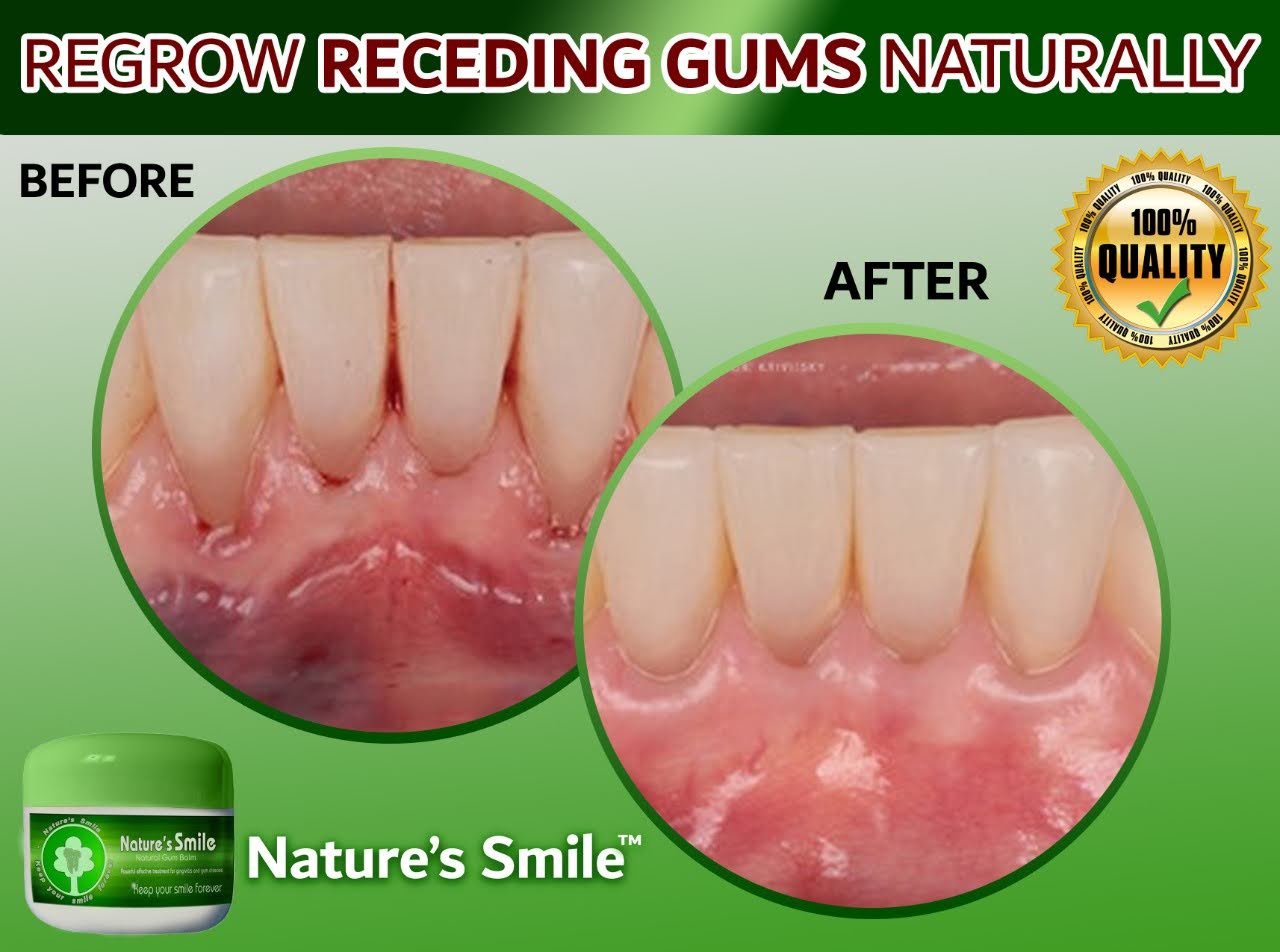
For individuals looking to support their gum health naturally Nature’s Smile can complement a healthy oral care routine. Nature’s Smile contains botanical ingredients including oak bark extract, chamomile, yarrow, nettle, and calendula, which are traditionally used to support gum wellness. Combined with proper dental care with Nature’s Smile and professional guidance, maintaining healthy gums becomes much more achievable and can help protect your teeth for years to come.
References:
