

Navigating Receding Gums After Deep Cleaning: Causes and Solutions Unveiled
Key Takeaways
- Causes: poor hygiene, aggressive brushing, hormones, smoking, genetics.
- Symptoms: sensitivity, longer teeth, pockets, gum disease risk, discomfort.
- Prevention: oral care, gentle brushing, professional help, quit smoking.
- Treatments: grafting, cleanings, deep cleaning, fluoride, personalized plans.
So, you’ve just had a deep cleaning procedure done and now you’re noticing that your gums are receding. Well, isn’t that just a delightful surprise? While deep cleaning can effectively remove plaque and tartar buildup, it’s not uncommon for some gum recession to occur as a result. But don’t worry, there’s more to this story. Stick around, because we’re about to unravel the mysteries of receding gums after deep cleaning and explore the various treatments and preventive measures that can help you maintain a healthy gumline.
Can Gums Recede After Deep Cleaning?
Yes, receding gums after deep cleaning can occur. In many cases, the gums are not actually receding because of the procedure. Deep cleaning removes plaque, tartar, and inflammation, which can make the gums shrink back to their natural position and reveal previously hidden tooth surfaces. If gum recession continues after treatment, factors such as gum disease, aggressive brushing, smoking, genetics, or poor oral hygiene may be contributing causes.
Key facts:
- Deep cleaning does not usually cause gum recession.
- Reduced inflammation can make gums appear lower.
- Proper oral hygiene helps prevent further recession.
- Severe cases may require gum grafting or periodontal treatment.
- Regular dental visits are essential for monitoring gum health.
Causes of Receding Gums
There are several causes of receding gums, including poor oral hygiene, aggressive brushing, hormonal changes, smoking, tobacco use, and genetic predisposition. Receding gums, also known as gum loss or gingival recession, can occur due to a variety of factors.
Poor oral hygiene, such as infrequent brushing and flossing, leads to the buildup of plaque and tartar on the teeth. This buildup can cause gum inflammation, known as gingivitis, which, if left untreated, can progress to gum disease. Aggressive brushing or using a hard-bristled toothbrush can also contribute to gum recession by causing damage to the delicate gum tissue.
Hormonal changes, like those occurring during pregnancy, menopause, or puberty, can heighten susceptibility to inflammation and recession of localized gum health issues. Smoking and tobacco use escalate the risk of gum disease, contributing to potential gum recession. Genetic predispositions to gum disease and receding gums may influence their development.
By comprehending these factors, individuals can take preventive measures and seek treatment for localized gum health issues.

Symptoms and Effects of Receding Gums
Receding gums can manifest through various symptoms and have significant effects on oral health. One common symptom is tooth sensitivity, particularly to hot or cold temperatures. When the gums recede, the root surface of the teeth becomes exposed, making them more sensitive to external stimuli. As the gum line recedes, teeth may appear longer, which can cause aesthetic concerns for some individuals.
Another effect of receding gums is the formation of pockets between the teeth and gums. These pockets provide a breeding ground for plaque and bacteria, leading to further gum disease and potential tooth decay. If left untreated, this can result in tooth loss and even bone deterioration.
Discomfort or pain can also be experienced when brushing or eating, as the exposed root surfaces become more sensitive to pressure and friction.
To prevent further progression of gum recession, it is important to maintain good oral hygiene practices such as regular dental cleanings and proper brushing and flossing techniques.
Treatment Options for Receding Gums
One effective treatment option for receding gums is gum grafting, a surgical procedure that can help restore lost gum tissue. Gum grafting involves taking a small piece of tissue from another area of your mouth, such as the roof of your mouth, and attaching it to the receding gum line. This procedure can help to cover exposed roots, prevent further gum recession, and improve the appearance of your smile.
While deep cleaning helps remove plaque and tartar buildup, it may not be enough to prevent gum disease or reattach receding gums. Regular dental cleanings are essential for maintaining gum health and preventing further gum recession. In addition to cleanings, practicing good oral hygiene at home is crucial. Proper brushing and flossing techniques can help remove plaque and prevent tartar buildup from occurring.

In some cases, a deep cleaning, also known as scaling and root planing, may be recommended by your dentist to remove plaque and tartar below the gumline. This procedure can help prevent gum disease and promote gum health. However, it is important to note that deep cleaning alone may not make your gums grow back.
Consultation with a dentist is recommended to explore personalized treatment options for receding gums. They can evaluate the severity of your condition and recommend the most appropriate treatment plan for you. This may include gum grafting, fluoride treatments to strengthen and protect your teeth and gums, or other interventions based on your specific needs.
Tips for Managing Receding Gums After Deep Cleaning
To effectively manage receding gums after deep cleaning, implementing proper oral hygiene practices and following your dentist’s recommendations is crucial.
Here are three tips to help you manage receding gums and prevent further gum disease:
- Maintain a thorough oral hygiene routine: Brush your teeth twice a day using a soft-bristled toothbrush and fluoride toothpaste. Be sure to brush along the gumline to remove any plaque or tartar buildup. Floss daily to remove food particles and plaque from between your teeth and along the gumline.
- Use a mouthwash or antiseptic rinse: Rinse your mouth with an antimicrobial mouthwash or an antiseptic rinse as recommended by your dentist. These products can help reduce bacteria in the mouth and promote gum health.
- Schedule regular dental cleanings: Regular dental cleanings, including deep cleanings, help remove plaque and tartar that can contribute to gum disease. Your dentist may recommend more frequent cleanings if you have a history of gum disease or if your gums are prone to recession.
Preventing Further Gum Recession
Regular dental check-ups and professional cleanings are crucial in preventing further gum recession after deep cleaning. These routine visits allow your dental professional to monitor the health of your gums and take preventive measures to avoid additional gum recession.
Maintaining good oral hygiene is also vital in preventing further gum recession. Brushing your teeth at least twice a day and flossing daily helps remove plaque and tartar buildup, which can contribute to gum recession.
Quitting smoking and reducing alcohol consumption can also aid in preventing further gum recession, as these habits can negatively impact oral health. When brushing your teeth, it is important to use a soft-bristled toothbrush and be gentle to avoid causing additional damage to your gums. Managing stress and maintaining a healthy diet can also play a role in preventing further gum recession.
High levels of stress can weaken your immune system, making it harder for your body to fight off gum infections. A healthy diet provides the necessary nutrients to support the health of your gums and the bones supporting your teeth. By following these preventive measures, you can minimize the risk of further gum recession and maintain good oral health.

Nature’s Smile for Receding Gums After Deep Cleaning
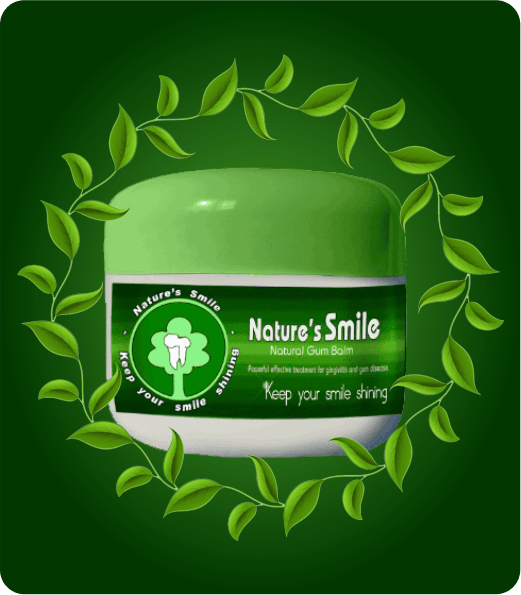
Many people experiencing receding gums after deep cleaning look for natural ways to support gum recovery alongside professional dental care. One product that frequently attracts attention is Nature’s Smile Gum Balm, a 100% herbal oral care formula designed to promote healthier gums and improve overall gum condition.
Nature’s Smile is formulated with a blend of botanical extracts traditionally used to promote gum tissue health. Many users incorporate it into their oral care routine to help soothe irritated gums and maintain a cleaner oral environment after procedures such as deep cleaning.
Benefits of Nature’s Smile for Receding Gums After Deep Cleaning
Individuals concerned about receding gums after deep cleaning may appreciate several potential benefits of Nature’s Smile:
- Supports healthier gum tissue.
- Helps reduce gum irritation and inflammation.
- Promotes a cleaner oral environment.
- May assist in maintaining gum firmness.
- Contains natural herbal ingredients.
- Easy to add to a daily oral care routine.
When combined with proper brushing, flossing, and regular dental visits, Nature’s Smile may serve as an additional tool for supporting long-term gum health.
Key Ingredients in Nature’s Smile
Nature’s Smile contains several plant-based ingredients commonly associated with oral wellness:
| Ingredient | Potential Benefit |
|---|---|
| Oak Bark | Supports gum firmness and tissue strength |
| Chamomile | Helps soothe irritated gums |
| Silver Fir | Traditionally used for oral cleansing |
| Yarrow | Known for anti-inflammatory properties |
| Neem | Supports oral hygiene through antibacterial activity |
| Sage | Helps maintain healthy gum tissue |
| Myrrh | Traditionally used to support gum health |
| Nettle | Provides antioxidant support |

Can Nature’s Smile Help After Deep Cleaning?
After a deep cleaning procedure, gums may temporarily appear lower because inflammation and swelling have been reduced, revealing the actual gum line. While professional treatment remains the primary solution, adding Nature’s Smile can help protect gums from receding any more and improve gum health.
For best results, use Nature’s Smile alongside:
- Daily brushing with a soft-bristled toothbrush.
- Regular flossing.
- Routine dental checkups.
- Smoking cessation if applicable.
- A nutrient-rich diet that supports gum health.
Summary
In conclusion, receding gums after deep cleaning can be concerning, but in many cases, it reflects the removal of inflammation rather than new gum damage. Maintaining excellent oral hygiene, attending regular dental checkups, and following your dentist’s recommendations are essential for preventing further recession. For individuals seeking additional support, Nature’s Smile Gum Balm may complement a healthy oral care routine with its blend of natural ingredients designed to support gum wellness. Combined with professional dental care and consistent daily habits, it can help promote stronger, healthier gums and long-term oral health.

References:
