

Can Popping a Gum Abscess Kill You? Understanding the Dangers of DIY Dental Care
An infected tooth can lead to a gum abscess, which is a painful, pus-filled infection that develops in the tissues of the gum. When faced with the discomfort and swelling of an abscessed tooth or gum, some people might be tempted to take matters into their own hands by popping or draining the abscess. But can popping gum abscess kill you? While this question might seem dramatic, the answer is more nuanced—and more serious—than many realize.
- Can Popping a Gum Abscess Kill You?
- Types of Dental Abscesses
- How Gum Abscesses Form
- Immediate Risks of Self-Drainage
- Can Popping a Gum Abscess Kill You?
- Immediate Professional Care
- Professional Treatment Options
- The Importance of Complete Treatment
- Maintain Good Oral Hygiene
- Regular Dental Check-ups
- Healthy Lifestyle Choices
- Prompt Attention to Dental Problems
Can Popping a Gum Abscess Kill You?
Popping a gum abscess yourself is not usually fatal, but it can be dangerous. Improper drainage may allow bacteria to spread deeper into tissues or enter the bloodstream, potentially causing serious complications such as:
- Sepsis
- Brain abscess
- Ludwig’s angina
- Heart infections
- Breathing difficulties
A gum abscess should always be evaluated and treated by a dental professional to prevent infection from spreading.
Understanding Gum Abscesses
Before addressing whether popping a gum abscess can be life-threatening, it’s important to understand what a gum abscess is and how it forms to maintain good oral health .
Types of Dental Abscesses

There are two main types of dental abscesses that affect the gums:
- Periodontal abscess: Forms in the gum tissue and bone adjacent to a tooth root, often resulting from advanced gum disease (periodontitis).
- Periapical abscess: Develops at the tip of a tooth’s root, typically caused by untreated tooth decay that has infected the tooth’s pulp.
Both types involve bacterial infection that leads to pus accumulation, causing pain, swelling, and potential systemic health risks if left untreated.
Also Read: Understanding Periapical vs. Periodontal Abscess: Key Differences Explained
How Gum Abscesses Form

Gum abscesses typically develop due to poor dental hygiene :
- Bacterial invasion: Bacteria enter through damaged areas in the gums or teeth
- Poor oral hygiene: Inadequate brushing and flossing allows bacteria to multiply
- Tooth decay: Untreated cavities can progress to pulp infection
- Periodontal disease: Advanced gum disease creates pockets where bacteria thrive
- Trauma: Injury to the gum tissue or tooth can create entry points for bacteria
- Foreign objects: Food particles or other debris trapped in the gums
Once harmful bacteria establish an infection, the body’s immune response creates pus—a mixture of dead white blood cells, tissue debris, and bacteria. This pus accumulates, forming a painful, pressurized pocket in the gum tissue.
Also Read: Sesame Oil For Receding Gums: Oral Health Benefits and Uses
The Dangers of Popping a Gum Abscess

When a gum abscess forms, the pressure and pain can become unbearable, leading some to consider popping it themselves. This approach carries significant risks that can potentially lead to further complications and be life-threatening in certain circumstances.
Immediate Risks of Self-Drainage
Popping a gum abscess at home presents several immediate dangers:
- Incomplete drainage: DIY drainage rarely removes all infected material, allowing the infection to persist or worsen.
- Pushing infection deeper: Applying pressure can force bacteria deeper into tissues or bloodstream.
- Cross-contamination: Using non-sterile tools introduces additional bacteria to an already infected area.
- Tissue damage: Improper technique can damage surrounding healthy tissue, creating new entry points for bacteria.
- Masking symptoms: Temporary relief from drainage might delay seeking proper treatment while the underlying infection continues to spread.
Can Popping a Gum Abscess Kill You?
While rare, there are documented cases where untreated dental infections have led to fatal outcomes. The question “can popping a gum abscess kill you” has a qualified answer: while the act of popping itself isn’t typically directly fatal, the consequences of improper management of a serious infection, like a dental abscess, can indeed be life-threatening in certain circumstances.

Here’s how a mismanaged gum abscess can potentially lead to tooth loss and become life-threatening:
1. Spread of Infection to Vital Areas
When a gum abscess pops or is improperly drained, bacteria can enter the bloodstream, leading to infection spreading and affecting other parts of the body, including:
- Brain: Resulting in brain abscess or meningitis
- Heart: Causing endocarditis (infection of heart valves)
- Lungs: Leading to pneumonia or lung abscesses
- Sinus cavities: Creating sinusitis or orbital cellulitis (eye socket infection)
Also Read: Tooth Infection Spread To Brain Symptoms: A Guide
2. Ludwig’s Angina
This is a severe, rapidly spreading cellulitis of the floor of the mouth, often originating from an infected lower molar. It can cause swelling that compromises the airway, potentially leading to suffocation if not treated promptly.
3. Cavernous Sinus Thrombosis
Infections from the upper teeth or gums can spread to the cavernous sinus (a large vein at the base of the brain), causing serious health complications like blood clots, stroke, or death.
4. Sepsis
Bacteria entering the bloodstream can trigger sepsis—a life-threatening systemic inflammatory response that can lead to organ failure and death if not treated immediately.
Also Read: Why Do Narcissists Have Bad Oral Hygiene? Unmasking the Surprising Connection
How Serious Can a Gum Abscess Become?
A gum abscess is more than a painful bump on the gums—it is an active infection that can worsen rapidly if ignored. Left untreated, bacteria may spread to the jawbone, sinuses, bloodstream, or other vital organs. Although severe complications are uncommon, documented cases have shown that untreated dental infections can lead to hospitalization and, in rare situations, become life-threatening. This is why dentists consider a gum abscess a condition that requires prompt attention rather than a problem that can safely be treated at home.
Real-Life Consequences: Case Studies
While relatively uncommon, there have been documented cases where dental infections led to severe complications or death:
- In 2007, a 12-year-old boy from Maryland died after bacteria from an untreated tooth abscess spread to his brain.
- A 2017 case report described a patient who developed Ludwig’s angina from a dental infection, requiring emergency airway management and intensive care.
- Multiple cases have been documented where dental infections led to brain abscesses requiring neurosurgical intervention.
These cases highlight that while the direct act of popping a gum abscess may not immediately kill you, the underlying infection—if improperly managed—certainly has that potential in severe cases.
Why You Should Never Pop a Gum Abscess at Home
Many people searching Can Popping a Gum Abscess Kill You are looking for quick relief from severe dental pain. While draining an abscess may temporarily reduce pressure, it does not eliminate the underlying bacterial infection. In fact, squeezing or puncturing the abscess can push bacteria deeper into surrounding tissues and increase the risk of infection spreading throughout the body. Professional dental treatment is the safest way to remove the infection and prevent serious complications.
What Happens When a Gum Abscess Pops Naturally?

Sometimes, a gum abscess pops on its own, either spontaneously or after applying warm compresses. When a gum abscess pops naturally, you may experience:
- Sudden pain relief: The release of pressure can provide temporary relief
- Bad taste: As pus drains into your mouth
- Bleeding: From the rupture site
- Continued infection: Despite drainage, the underlying infection typically remains
It’s crucial to understand that even if a gum abscess pops naturally and provides temporary relief, the bacterial infection that caused it is still present and requires professional treatment.
Also Read: Why Do My Gums Hurt in One Spot? Understanding Localized Gum Pain
Proper Treatment for Gum Abscesses

Instead of popping a gum abscess, here’s what dental professionals recommend:
Immediate Professional Care
If you suspect you have a gum abscess and are seeking immediate relief , seek dental care promptly. Signs that indicate a dental emergency requiring immediate attention include:
- Severe pain
- Facial swelling
- Fever
- Difficulty swallowing or breathing
- Swollen lymph nodes
Professional Treatment Options

Dentists and oral surgeons have several approaches to properly treat gum abscesses:
- Proper drainage: Professional incision and drainage under sterile conditions
- Antibiotics: To fight the bacterial infection systemically
- Root canal treatment: If the abscess involves the tooth pulp
- Tooth extraction: In cases where the tooth cannot be saved
- Deep cleaning: Scaling and root planing to remove bacteria below the gum line
- Gum surgery: To access and clean deep periodontal pockets
The Importance of Complete Treatment
Even after an abscess is drained, it’s essential to complete the full course of treatment prescribed by your dental professional. This typically includes:
- Taking all prescribed antibiotics exactly as directed
- Attending follow-up appointments
- Addressing the underlying cause (tooth decay, gum disease, etc.)
- Implementing improved oral hygiene practices
Temporary Relief While Awaiting Professional Care

If you can’t see a dentist immediately, these measures may provide temporary relief (but are NOT substitutes for professional treatment):
- Warm salt water rinses: Dissolve 1/2 teaspoon of salt in 8 ounces of warm water and gently rinse to reduce bacteria and soothe inflammation
- Over-the-counter pain relievers: Non-steroidal anti-inflammatory drugs like ibuprofen can help manage pain and reduce swelling
- Cold compress: Applied to the outside of your face to reduce swelling
- Avoid irritants: Stay away from extremely hot, cold, or spicy foods that might increase pain
- Maintain gentle oral hygiene: Continue brushing and flossing, being careful around the affected area
Prevention of Gum Abscesses
The best way to avoid the dangers associated with gum abscesses is to prevent them from forming in the first place:

Maintain Good Oral Hygiene
- Brush twice daily with fluoride toothpaste
- Floss daily to remove plaque between teeth
- Use an antimicrobial mouthwash
- Replace your toothbrush every 3-4 months
Regular Dental Check-ups

- Schedule professional cleanings and examinations every six months
- Address dental issues promptly before they progress to infections
- Follow your dentist’s recommendations for specialized care if you have gum disease
Healthy Lifestyle Choices
- Limit sugary foods and beverages that contribute to tooth decay
- Avoid tobacco products, which increase risk for gum disease
- Stay hydrated to maintain adequate saliva production, which helps neutralize acids and wash away food particles
Prompt Attention to Dental Problems
- Don’t ignore tooth pain or gum swelling
- Seek treatment for cracked or damaged teeth promptly
- Address loose fillings or crowns before they allow bacteria to enter
The Role of Dental Insurance and Access to Care

One factor that sometimes leads people to consider popping a gum abscess is lack of dental insurance or access to affordable care. However, many communities offer resources for emergency dental treatment:
- Dental schools often provide reduced-cost care
- Community health centers may offer sliding-scale dental services
- Some dentists provide payment plans for emergency treatment
- Hospital emergency departments can provide antibiotics and pain relief for severe infections until dental care can be arranged
The American Dental Association and state dental associations can often direct patients to emergency resources in their area.
When to Seek Emergency Medical Care

While a dentist is the ideal provider for treating a gum abscess, there are situations where emergency medical care should be sought immediately:
- Difficulty breathing or swallowing
- Significant facial swelling
- High fever
- Extreme pain that isn’t controlled with over-the-counter pain relievers
- Rapid heart rate
- Confusion or disorientation
- Severe headache accompanying dental pain
These symptoms may indicate that the infection has spread beyond the mouth and requires immediate medical intervention.
FAQs
Can a gum abscess go away after it pops?
No. Even if a gum abscess drains naturally, the underlying infection usually remains and requires professional dental treatment.
What happens if you squeeze a gum abscess?
Squeezing a gum abscess can push bacteria deeper into surrounding tissues, potentially worsening the infection and delaying proper healing.
When should I go to the ER for a gum abscess?
Seek emergency care if you experience facial swelling, difficulty breathing, difficulty swallowing, high fever, confusion, or severe pain.
Can a gum abscess spread to the brain?
In rare cases, an untreated dental infection can spread to surrounding tissues and potentially reach the brain, causing serious complications.
How can I prevent a gum abscess?
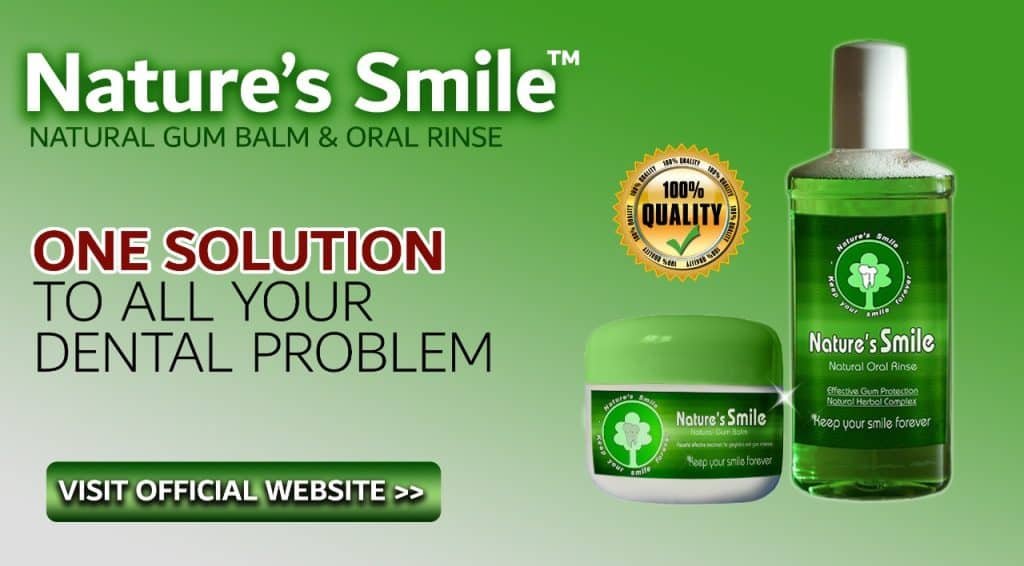
Brushing twice daily, flossing daily, attending regular dental checkups, incorporating Nature’s Smile gum balm help maintaining healthy gums can significantly reduce your risk of developing a gum abscess.
Conclusion: The Verdict on Popping Gum Abscesses
So, can popping a gum abscess kill you? While the act itself is rarely fatal, attempting to drain a gum abscess at home can increase the risk of serious complications if the infection spreads beyond the mouth. What may seem like a simple dental problem can sometimes develop into a severe infection affecting the bloodstream, brain, heart, or airways. The safest approach is always to seek prompt professional dental treatment rather than relying on DIY solutions.
In addition to regular dental care, maintaining excellent oral hygiene is essential for preventing gum infections before they start. Many people also incorporate Nature’s Smile as part of their daily oral care routine to help support healthy gums and promote long-term oral wellness. By combining preventive care, professional treatment, and consistent oral hygiene habits, you can significantly reduce your risk of gum abscesses and protect both your oral and overall health.
References:
NIH – NIDCR
CDC – Oral Health Basics
CDC – Meningitis
NLM – NIH
National Library of Medicine
NIH – Case Report
CDC – Sepsis
NIH – Case Reports
CDC – Smoking & Oral Health
